How to stop your brain leaking
How your blood-brain barrier matters
I don't know about you, but some days, my brain feels like it's dribbling out of my ears. I mean not literally, actually dribbling out. But you know, sometimes, things are just too complicated.
So I was interested to read an article this week (#nerd) that explained that as we get older, our brains can actually leak.
But rather than things leaking out of your ears as I imagined, this is about stuff leaking IN.
Introducing the "blood-brain barrier".
The blood-brain barrier is the protective layer that lines the inner surfaces of the blood vessels inside your brain. And although it's known as a barrier, it's more of a sieve. It makes sure that harmful stuff stays out; while holding helpful things in.
The sort of things that it's specialised in keeping out are bacteria, viruses and toxic substances (although not alcohol, caffeine or various medications).
How does it get leaky then?
The very act of aging makes it less robust (as with everything) but things like high blood pressure, high cholesterol, type II diabetes, and COPD can also weaken the barrier's integrity. This means that damaging molecules can slip through.
The leakage can trigger inflammation and this can lead to cognitive decline and conditions like Alzeimers.
Buuuuuuut, here's the interesting thing....
A few years ago, a research team found that mice who exercised produced higher levels of a particular enzyme in their livers. And that despite this enzyme not being able to cross the blood-brain barrier, it seemed to positively influence brain health. Their further research indicated that it helps restore the barrier's integrity, even after it had aged, so it stopped leaking.
Huzzah.
Everything is connected and everything matters.
The article went on to say that the researchers are working on developing drugs that are capable of restoring the integrity of the blood-brain barrier. So if you absolutely can't exercise then such drugs could help. However, they're quite a long way off and will, like the majority of drugs, probably have side-effects.
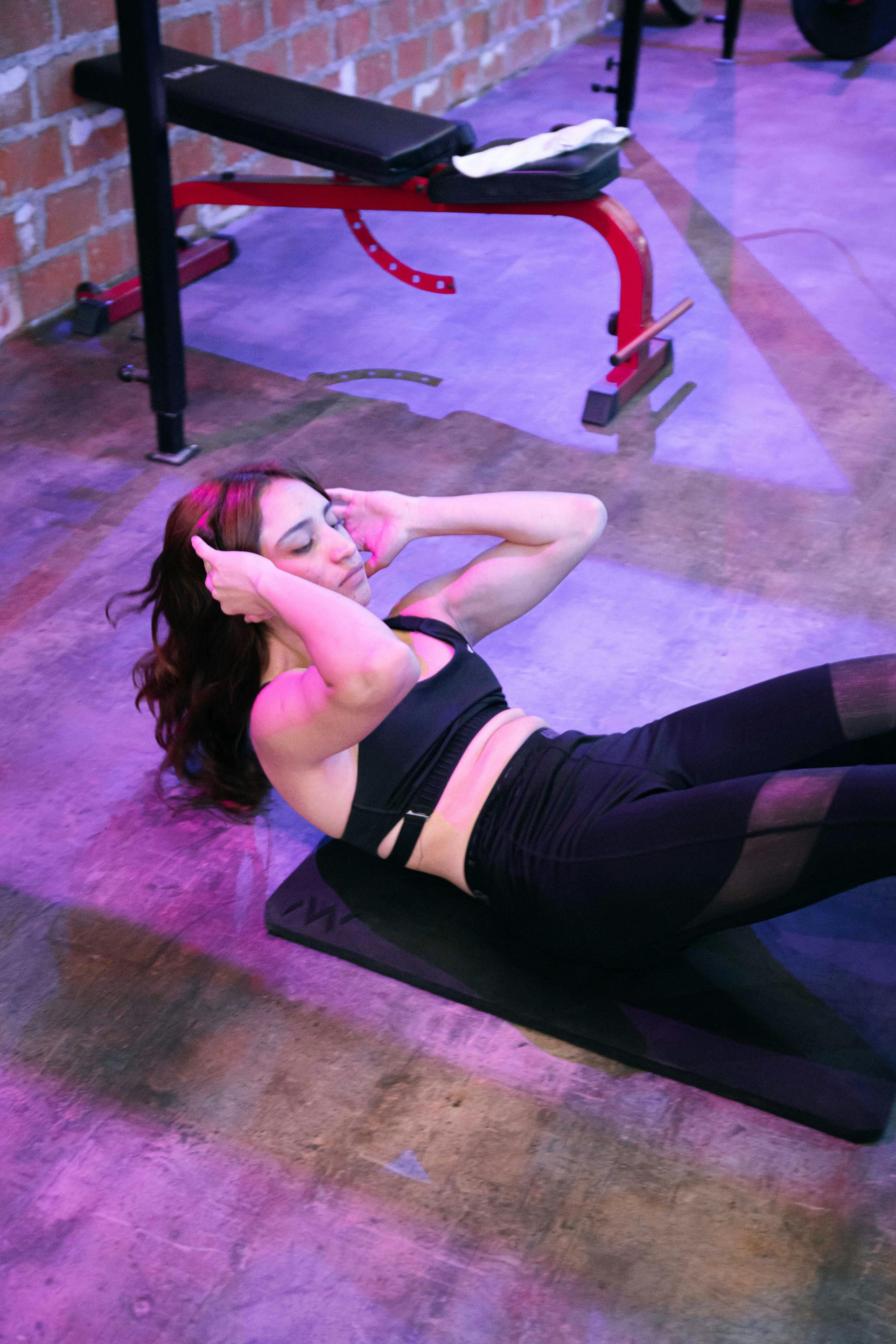
So if you can exercise, then please do it. There are so many studies out there that show that increased physical activity is associated with reduced risk of dementia; slowed cognitive decline with age; and improved learning and memory. And no nasty side-effects.
It is, if you'll excuse the pun, a complete no-brainer.
In the study, they looked at mice who ran. But you don't have to run if you don't want to. Anything that lifts your heart rate will do the job. Not only does it protect your brain, but also your heart and musculo-skeletal health.
Want to add a bit more exercise to your week?
For the perfect anti-brain leakage, add some exercise that:
✅ Lifts your heart rate so your heart and lungs get stronger
✅ Requires some coordination (improves neuroplasticity- your brain's ability to create new connections)
✅ Improves your balance (stops you falling over)
✅ Improves strength and flexibility
And as usual, I do have something that can help you get an hour of all of these☝🏽 every week.
Join us online for PiYo on Saturday mornings at 10am by booking here.
It's the perfect class for you if you want to:
- Get fitter, but don't like running or jumping about:
- Be able to bend over, without putting your back out;
- Have stronger legs and shoulders, but find the gym boooooooring;
- Feel more stable, but think balance drills are boring AF; and
- Stop complaining about how uncoordinated you are!
All you need's a mat, a screen and some water. Oh and it's fun😁 .
Read more:
The study - Liver exerkine reverses aging and Alzheimer's related memory loss
The truth about inflammaging in middle age
Why does doing new things make your head spin?